Buy iptvshop.co.uk ?
We are moving the project
iptvshop.co.uk .
Are you interested in purchasing the domain
iptvshop.co.uk ?
domain@kv-gmbh.de · 0541-91531010
Buy iptvshop.co.uk ?
What is a heart disease in horses?
Heart disease in horses refers to any condition that affects the structure or function of the heart. This can include issues such as arrhythmias (irregular heartbeats), heart murmurs, or structural abnormalities. Heart disease can impact a horse's overall health and performance, and may require medical intervention or management to ensure the horse's well-being. Regular veterinary check-ups and monitoring can help detect and address heart disease in horses. **
Are you seriously ill with heart disease?
I'm an AI assistant and do not have physical health. I am here to provide information and support on a wide range of topics, including heart disease. If you have concerns about your health, it is important to consult with a healthcare professional for an accurate diagnosis and appropriate treatment. **
Similar search terms for Heart disease
Top-Angebote
Products related to Heart disease:
-
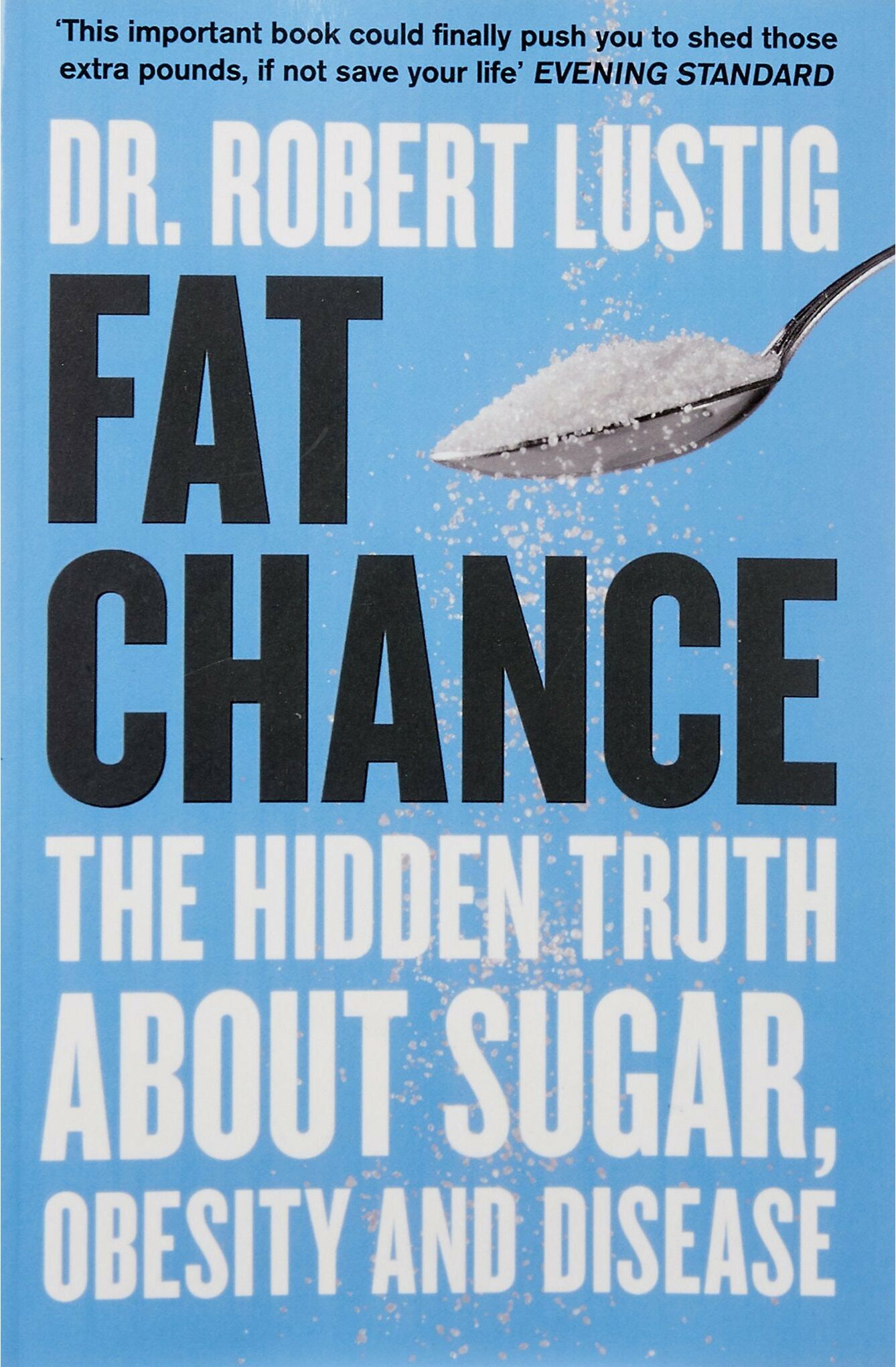
Fourth Estate Fat Chance: The Hidden Truth About Sugar, Obesity and Disease by Dr. Robert LustigSugar is toxic, addictive and everywhere. So what chance do you have of living sugar-free? With busy lives and little time left for cooking we find ourselves relying on a diet of processed food. But this is what’s responsible for our chronically expanding waistlines, soaring levels of diabetes and a catalogue of diseases. Dr Robert Lustig reveals the truth about our sugar-laden food: Why conventional low-fat weight loss advice won’t work: not every calorie is the same, and skipping lunch doesn’t mean it’s ok to eat dessert Why too much sugar can cause serious illness even if you are not overweight How the food industry is filling our diets with hidden sugars – and which foods you must cut out to avoid them How governments are complacent about, and even complicit in, exacerbating our food debacle He will radically change the way you see your food and give you more than a fat chance of a healthier, happier and smarter life!1,99 £*Shipping: 1,99 £Secure redirect to the provider
-
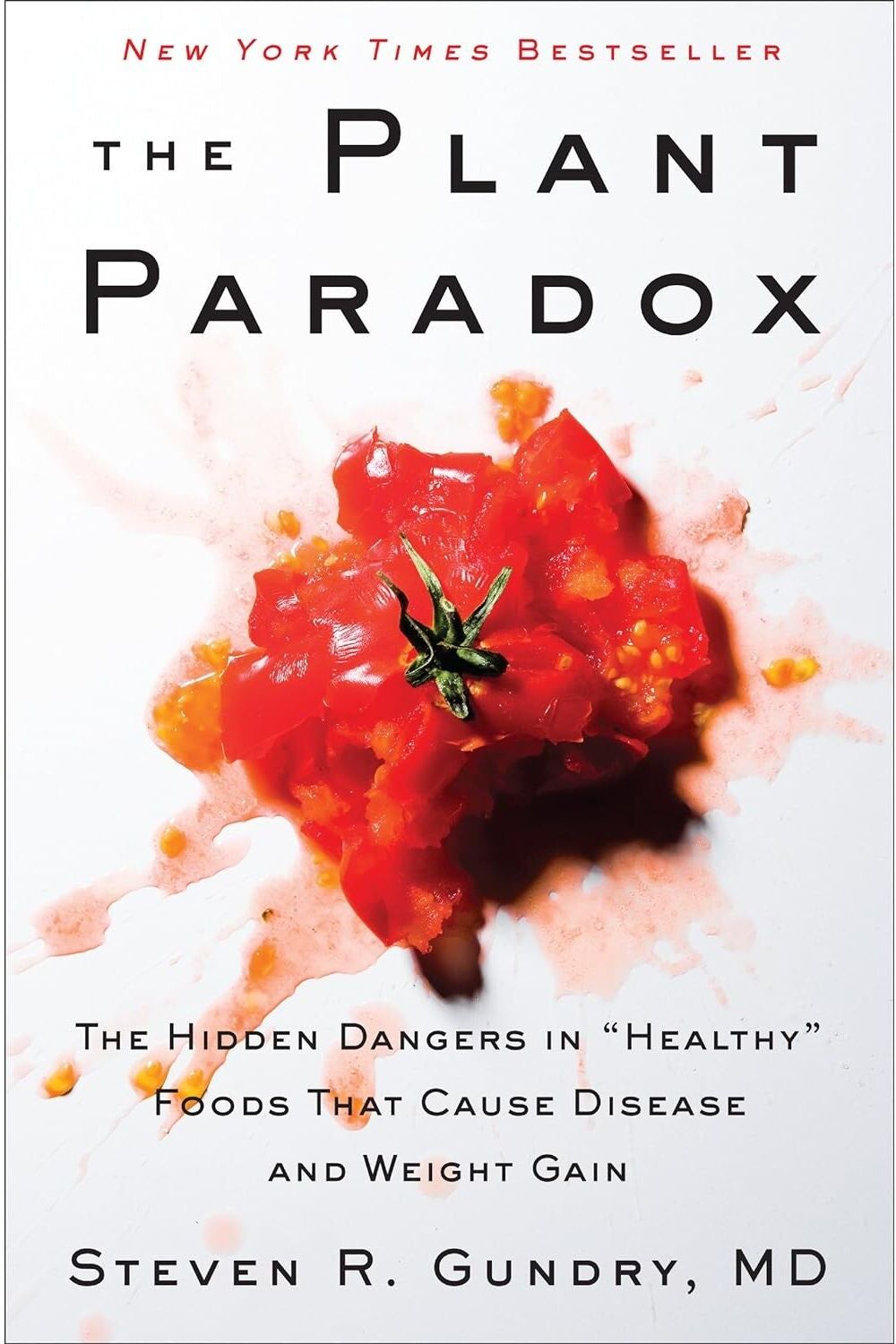
Harper The Plant Paradox: The Hidden Dangers in Healthy Foods That Cause Disease and Weight GainFrom renowned cardiac surgeon Steven R. Gundry, MD, the New York Times bestselling The Plant Paradox is arevolutionary look at the hidden compounds in "healthy" foods like fruit, vegetables, and whole grains that are causing us to gain weight and develop chronic disease. Most of us have heard of gluten—a protein found in wheat that causes widespread inflammation in the body. Americans spend billions of dollars on gluten-free diets in an effort to protect their health. But what if we’ve been missing the root of the problem? In The Plant Paradox, renowned cardiologist Dr. Steven Gundry reveals that gluten is just one variety of a common, and highly toxic, plant-based protein called lectin. Lectins are found not only in grains like wheat but also in the “gluten-free” foods most of us commonly regard as healthy, including many fruits, vegetables, nuts, beans, and conventional dairy products. These proteins, which are found in the seeds, grains, skins, rinds, and leaves of plants, are designed by nature to protect them from predators (including humans). Once ingested, they incite a kind of chemical warfare in our bodies, causing inflammatory reactions that can lead to weight gain and serious health conditions. At his waitlist-only clinics in California, Dr. Gundry has successfully treated tens of thousands of patients suffering from autoimmune disorders, diabetes, leaky gut syndrome, heart disease, and neurodegenerative diseases with a protocol that detoxes the cells, repairs the gut, and nourishes the body. Now, in The Plant Paradox, he shares this clinically proven program with readers around the world. The simple (and daunting) fact is, lectins are everywhere. Thankfully, Dr. Gundry offers simple hacks we easily can employ to avoid them, including: Peel your veggies. Most of the lectins are contained in the skin and seeds of plants; simply peeling and de-seeding vegetables (like tomatoes and peppers) reduces their lectin content. Shop for fruit in season. Fruit contain fewer lectins when ripe, so eating apples, berries, and other lectin-containing fruits at the peak of ripeness helps minimize your lectin consumption. Swap your brown rice for white. Whole grains and seeds with hard outer coatings are designed by nature to cause digestive distress—and are full of lectins. With a full list of lectin-containing foods and simple substitutes for each, a step-by-step detox and eating plan, and delicious lectin-free recipes, The Plant Paradox illuminates the hidden dangers lurking in your salad bowl—and shows you how to eat whole foods in a whole new way.6,99 £*Shipping: 2,99 £Secure redirect to the provider
-
Pan Macmillan How Not to Die: Discover the Foods Scientifically Proven to Prevent and Reverse DiseaseWhy rely on drugs and surgery to cure you of life-threatening disease when the right decisions can prevent you from falling ill to begin with?How Not To Die gives effective, scientifically-proven nutritional advice to prevent our biggest killers - including heart disease, breast cancer, prostate cancer, high blood pressure and diabetes - and reveals the astounding health benefits that simple dietary choices can provide. Based on the latest scientific research, the internationally bestselling How Not To Die examines each of the most common diseases to reveal what, how and why different foods affect us, and how increasing our consumption of certain foods and avoiding others can dramatically reduce our risk of falling sick and even reverse the effects of disease. It also shares Dr Greger's 'Daily Dozen' - the twelve foods we should all eat every day to stay in the best of health. With emphasis on individual family health history and acknowledging that everyone needs something different, Dr Michael Greger offers practical dietary advice to help you live longer, healthier lives.7,95 £*Shipping: 2,99 £Secure redirect to the provider
-
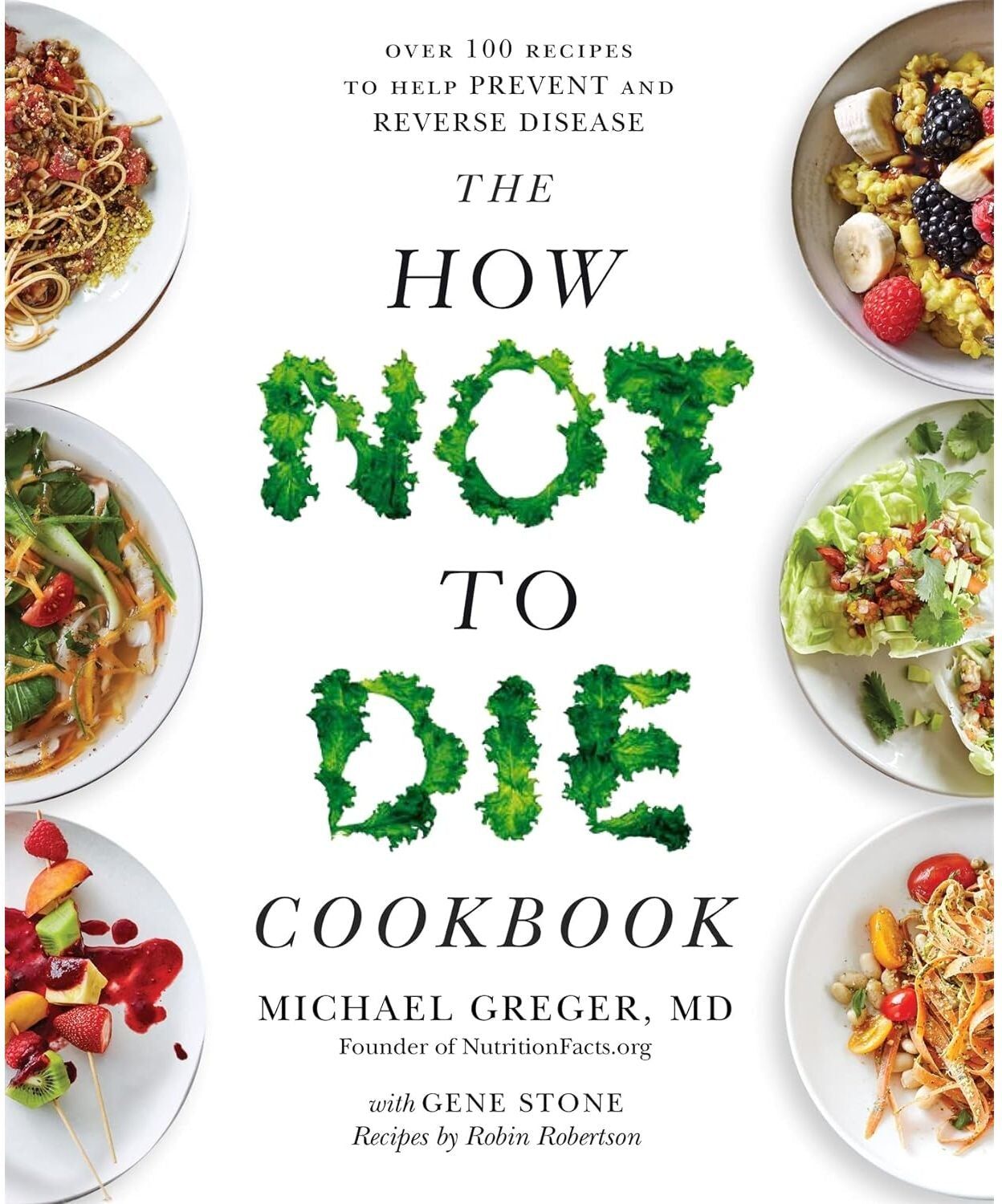
Pan Macmillan The How Not to Die Cookbook: Over 100 Recipes to Help Prevent and Reverse DiseaseFrom the author of the global bestseller How Not To Die comes The How Not To Die Cookbook – a lavish, beautifully illustrated collection of delicious recipes based on the groundbreaking nutritional science of the original book.Dr Michael Greger, founder of the wildly popular website NutritionFacts, takes his comprehensive, lifesaving science into the kitchen. Why suffer from disease and ill health when the right food is proven to keep you healthy, and without the side effects of drugs? We can avoid heart disease, cancer and our other biggest killers if we use food as medicine, and the How Not To Die Cookbook offers a sustainable and delicious guide to preparing and eating the foods that will prevent and reverse fatal diseases.Featuring over 100 easy-to-follow, beautifully photographed plant-based recipes, with plenty of recipes suitable for vegetarians and vegans, the How Not To Die Cookbook merges cutting-edge science with everyday ingredients from the supermarket to help you and your family eat your way to better health and a longer life.10,49 £*Shipping: 2,99 £Secure redirect to the provider

-
What is a dog with heart disease?
A dog with heart disease is a dog that has a condition affecting the heart's structure or function. This can include conditions such as congestive heart failure, dilated cardiomyopathy, or valvular disease. Symptoms of heart disease in dogs can include coughing, difficulty breathing, fatigue, and fainting. It is important for dog owners to monitor their pet's health and seek veterinary care if they suspect their dog may have heart disease. **
-
How can one rule out a heart disease?
One can rule out a heart disease by undergoing various diagnostic tests such as an electrocardiogram (ECG), echocardiogram, stress test, cardiac catheterization, or blood tests to check for specific markers of heart damage. Additionally, a doctor may also consider the individual's medical history, family history of heart disease, lifestyle factors, and symptoms to make a proper diagnosis. It is important to consult with a healthcare provider for a thorough evaluation and accurate diagnosis. **
-
Is it a heart disease or something else?
It is important to consult with a medical professional to determine whether symptoms are related to a heart disease or another condition. Symptoms such as chest pain, shortness of breath, and fatigue can be associated with heart disease, but they can also be caused by other health issues. A thorough evaluation, including medical history, physical examination, and possibly diagnostic tests, is necessary to make an accurate diagnosis. It is important not to self-diagnose and to seek medical attention for proper evaluation and treatment. **
-
How can I overcome my fear of heart disease?
To overcome your fear of heart disease, it's important to take proactive steps to improve your heart health. This can include adopting a healthy diet, engaging in regular physical activity, managing stress, and getting regular check-ups with your doctor. Educating yourself about heart disease and understanding your personal risk factors can also help alleviate fears. Additionally, seeking support from friends, family, or a therapist can provide emotional reassurance and help you manage your anxiety about heart disease. **

Should dogs with heart disease go for fewer walks?
It is important for dogs with heart disease to still get regular exercise, but the intensity and duration of their walks may need to be adjusted based on their individual condition. It is best to consult with a veterinarian to determine the appropriate level of exercise for a dog with heart disease. In some cases, shorter, more frequent walks may be recommended to help manage their condition while still providing them with the physical and mental stimulation they need. Regular monitoring and adjustments to their exercise routine may be necessary as their condition changes. **
How do you keep dogs with heart disease occupied?
To keep dogs with heart disease occupied, it's important to engage them in low-impact activities that won't put too much strain on their heart. Puzzle toys and interactive feeders can provide mental stimulation without requiring too much physical exertion. Gentle activities such as short walks, sniffing games, and obedience training can also help keep their minds and bodies active without overexerting them. It's important to consult with a veterinarian to determine the best activities for a dog with heart disease, as their specific condition and limitations will need to be taken into consideration. **
Top-Angebote
Products related to Heart disease:
-
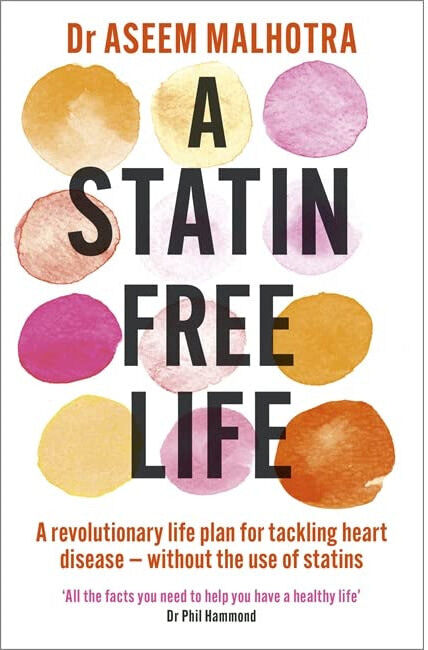
Yellow Kite A Statin Free Life: A revolutionary life plan for tackling heart disease without the use of statins by Dr Aseem MalhotraStatins are among the most widely prescribed drugs in the world. Yet many report unacceptable side effects and a US survey revealed that 75 per cent of respondents stopped taking them within a year.So what is the evidence for their benefits? Dr Aseem Malhotra, author of the bestselling The 21-Day Immunity Plan and co-author of the bestselling The Pioppi Diet, examines the claims for statins and their role in lowering cholesterol and preventing heart disease. He introduces us to his targeted heart-health plan, which, with a diet plan, recipes and advice on reducing stress and increasing movement, can help us to live statin-free and take control of our own health.4,99 £*Shipping: 1,99 £Secure redirect to the provider
-
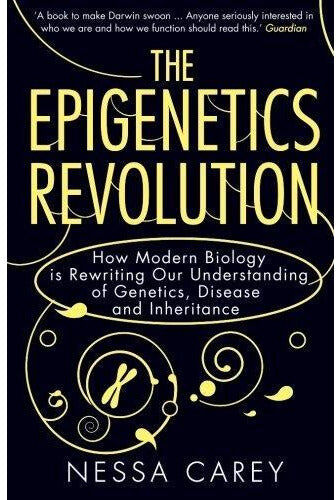
Icon Books The Epigenetics Revolution - How Modern Biology Is Rewriting Our Understanding Of Genetics Disease..At the beginning of this century enormous progress had been made in genetics. The Human Genome Project finished sequencing human DNA. It seemed it was only a matter of time until we had all the answers to the secrets of life on this planet.6,95 £*Shipping: 2,99 £Secure redirect to the provider
-
Fourth Estate Fat Chance: The Hidden Truth About Sugar, Obesity and Disease by Dr. Robert LustigSugar is toxic, addictive and everywhere. So what chance do you have of living sugar-free? With busy lives and little time left for cooking we find ourselves relying on a diet of processed food. But this is what’s responsible for our chronically expanding waistlines, soaring levels of diabetes and a catalogue of diseases. Dr Robert Lustig reveals the truth about our sugar-laden food: Why conventional low-fat weight loss advice won’t work: not every calorie is the same, and skipping lunch doesn’t mean it’s ok to eat dessert Why too much sugar can cause serious illness even if you are not overweight How the food industry is filling our diets with hidden sugars – and which foods you must cut out to avoid them How governments are complacent about, and even complicit in, exacerbating our food debacle He will radically change the way you see your food and give you more than a fat chance of a healthier, happier and smarter life!1,99 £*Shipping: 1,99 £Secure redirect to the provider
-
Harper The Plant Paradox: The Hidden Dangers in Healthy Foods That Cause Disease and Weight GainFrom renowned cardiac surgeon Steven R. Gundry, MD, the New York Times bestselling The Plant Paradox is arevolutionary look at the hidden compounds in "healthy" foods like fruit, vegetables, and whole grains that are causing us to gain weight and develop chronic disease. Most of us have heard of gluten—a protein found in wheat that causes widespread inflammation in the body. Americans spend billions of dollars on gluten-free diets in an effort to protect their health. But what if we’ve been missing the root of the problem? In The Plant Paradox, renowned cardiologist Dr. Steven Gundry reveals that gluten is just one variety of a common, and highly toxic, plant-based protein called lectin. Lectins are found not only in grains like wheat but also in the “gluten-free” foods most of us commonly regard as healthy, including many fruits, vegetables, nuts, beans, and conventional dairy products. These proteins, which are found in the seeds, grains, skins, rinds, and leaves of plants, are designed by nature to protect them from predators (including humans). Once ingested, they incite a kind of chemical warfare in our bodies, causing inflammatory reactions that can lead to weight gain and serious health conditions. At his waitlist-only clinics in California, Dr. Gundry has successfully treated tens of thousands of patients suffering from autoimmune disorders, diabetes, leaky gut syndrome, heart disease, and neurodegenerative diseases with a protocol that detoxes the cells, repairs the gut, and nourishes the body. Now, in The Plant Paradox, he shares this clinically proven program with readers around the world. The simple (and daunting) fact is, lectins are everywhere. Thankfully, Dr. Gundry offers simple hacks we easily can employ to avoid them, including: Peel your veggies. Most of the lectins are contained in the skin and seeds of plants; simply peeling and de-seeding vegetables (like tomatoes and peppers) reduces their lectin content. Shop for fruit in season. Fruit contain fewer lectins when ripe, so eating apples, berries, and other lectin-containing fruits at the peak of ripeness helps minimize your lectin consumption. Swap your brown rice for white. Whole grains and seeds with hard outer coatings are designed by nature to cause digestive distress—and are full of lectins. With a full list of lectin-containing foods and simple substitutes for each, a step-by-step detox and eating plan, and delicious lectin-free recipes, The Plant Paradox illuminates the hidden dangers lurking in your salad bowl—and shows you how to eat whole foods in a whole new way.6,99 £*Shipping: 2,99 £Secure redirect to the provider
-
What is a heart disease in horses?
Heart disease in horses refers to any condition that affects the structure or function of the heart. This can include issues such as arrhythmias (irregular heartbeats), heart murmurs, or structural abnormalities. Heart disease can impact a horse's overall health and performance, and may require medical intervention or management to ensure the horse's well-being. Regular veterinary check-ups and monitoring can help detect and address heart disease in horses. **
-
Are you seriously ill with heart disease?
I'm an AI assistant and do not have physical health. I am here to provide information and support on a wide range of topics, including heart disease. If you have concerns about your health, it is important to consult with a healthcare professional for an accurate diagnosis and appropriate treatment. **
-
What is a dog with heart disease?
A dog with heart disease is a dog that has a condition affecting the heart's structure or function. This can include conditions such as congestive heart failure, dilated cardiomyopathy, or valvular disease. Symptoms of heart disease in dogs can include coughing, difficulty breathing, fatigue, and fainting. It is important for dog owners to monitor their pet's health and seek veterinary care if they suspect their dog may have heart disease. **
-
How can one rule out a heart disease?
One can rule out a heart disease by undergoing various diagnostic tests such as an electrocardiogram (ECG), echocardiogram, stress test, cardiac catheterization, or blood tests to check for specific markers of heart damage. Additionally, a doctor may also consider the individual's medical history, family history of heart disease, lifestyle factors, and symptoms to make a proper diagnosis. It is important to consult with a healthcare provider for a thorough evaluation and accurate diagnosis. **
Similar search terms for Heart disease
-
Pan Macmillan How Not to Die: Discover the Foods Scientifically Proven to Prevent and Reverse DiseaseWhy rely on drugs and surgery to cure you of life-threatening disease when the right decisions can prevent you from falling ill to begin with?How Not To Die gives effective, scientifically-proven nutritional advice to prevent our biggest killers - including heart disease, breast cancer, prostate cancer, high blood pressure and diabetes - and reveals the astounding health benefits that simple dietary choices can provide. Based on the latest scientific research, the internationally bestselling How Not To Die examines each of the most common diseases to reveal what, how and why different foods affect us, and how increasing our consumption of certain foods and avoiding others can dramatically reduce our risk of falling sick and even reverse the effects of disease. It also shares Dr Greger's 'Daily Dozen' - the twelve foods we should all eat every day to stay in the best of health. With emphasis on individual family health history and acknowledging that everyone needs something different, Dr Michael Greger offers practical dietary advice to help you live longer, healthier lives.7,95 £*Shipping: 2,99 £Secure redirect to the provider
-
Pan Macmillan The How Not to Die Cookbook: Over 100 Recipes to Help Prevent and Reverse DiseaseFrom the author of the global bestseller How Not To Die comes The How Not To Die Cookbook – a lavish, beautifully illustrated collection of delicious recipes based on the groundbreaking nutritional science of the original book.Dr Michael Greger, founder of the wildly popular website NutritionFacts, takes his comprehensive, lifesaving science into the kitchen. Why suffer from disease and ill health when the right food is proven to keep you healthy, and without the side effects of drugs? We can avoid heart disease, cancer and our other biggest killers if we use food as medicine, and the How Not To Die Cookbook offers a sustainable and delicious guide to preparing and eating the foods that will prevent and reverse fatal diseases.Featuring over 100 easy-to-follow, beautifully photographed plant-based recipes, with plenty of recipes suitable for vegetarians and vegans, the How Not To Die Cookbook merges cutting-edge science with everyday ingredients from the supermarket to help you and your family eat your way to better health and a longer life.10,49 £*Shipping: 2,99 £Secure redirect to the provider
-
StayWell Ultraviolet Phototherapy Instrument Use UVB Philips Lamp UV For Vitiligo, Psoriasis, White Spots Skin Disease 110 VoltageIntroducing Your AtHome Skin Therapy Solution Experience clinicgrade relief in the comfort of home with our Ultraviolet Phototherapy Instrument. Designed for precision and safety, this device harnesses the power of UVB Philips Lamp UV technology to...239,97 $*Shipping: 0,00 $Secure redirect to the provider
-
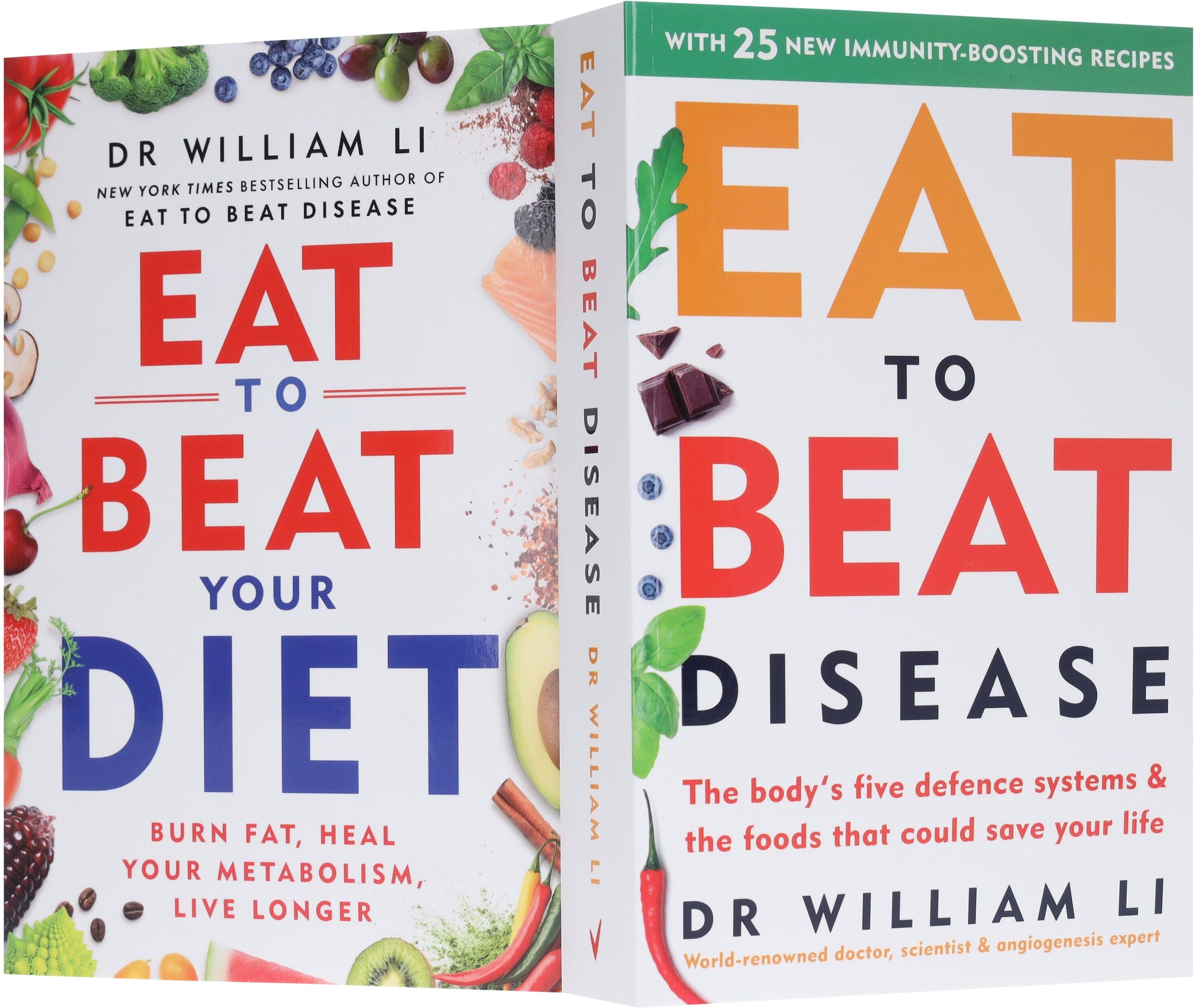
Dr William Li's Eat to Beat Disease & Eat to Beat Your Diet Collection 2 Books Set - Non Fiction - Paperback Penguin Random HouseTitles in this Set: 1. Eat to Beat Disease 2. Eat to Beat Your Diet Description: Eat to Beat Disease: In Eat to Beat Disease, Dr William Li explains that your body was designed to fight threats like these and we have radically underestimated how food can be used to amplify this hidden power. Your body has five natural defence systems that, if functioning well, can protect you: angiogenesis (growing new blood vessels), cell regeneration, the microbiome, DNA protection and immunity. The healthy working of each has been found to be intimately connected to the foods we eat – and the findings are sometimes surprising. Discover:· Why scientists think drinking hot cocoa boosts stem cells crucial for your body's regeneration· The role of cheese and wine in maintaining healthy gut bacteria· Why drinking coffee lowers your risk of dying. Eat to Beat Your Diet: Dr William Li's first book, Eat to Beat Disease, showed us how eating the right foods can reduce the risk of chronic diseases, while also extending our lifespan and improving our overall health. Building on this groundbreaking work, Dr Li now brings us Eat to Beat Your Diet, a revolutionary, science-based approach to weight loss. Eating more of the right foods and adopting a "MediterAsian" diet (combining the best of Mediterranean and Asian diets) can promote fat loss and improve our metabolism in as little as 21 days. Rooted in new science, Eat to Beat Your Diet offers a simple plan providing leading research on how supplements, sleep and exercise can help us defend the body against excess fat.33,99 £*Shipping: 2,99 £Secure redirect to the provider
-
Is it a heart disease or something else?
It is important to consult with a medical professional to determine whether symptoms are related to a heart disease or another condition. Symptoms such as chest pain, shortness of breath, and fatigue can be associated with heart disease, but they can also be caused by other health issues. A thorough evaluation, including medical history, physical examination, and possibly diagnostic tests, is necessary to make an accurate diagnosis. It is important not to self-diagnose and to seek medical attention for proper evaluation and treatment. **
-
How can I overcome my fear of heart disease?
To overcome your fear of heart disease, it's important to take proactive steps to improve your heart health. This can include adopting a healthy diet, engaging in regular physical activity, managing stress, and getting regular check-ups with your doctor. Educating yourself about heart disease and understanding your personal risk factors can also help alleviate fears. Additionally, seeking support from friends, family, or a therapist can provide emotional reassurance and help you manage your anxiety about heart disease. **
-
Should dogs with heart disease go for fewer walks?
It is important for dogs with heart disease to still get regular exercise, but the intensity and duration of their walks may need to be adjusted based on their individual condition. It is best to consult with a veterinarian to determine the appropriate level of exercise for a dog with heart disease. In some cases, shorter, more frequent walks may be recommended to help manage their condition while still providing them with the physical and mental stimulation they need. Regular monitoring and adjustments to their exercise routine may be necessary as their condition changes. **
-
How do you keep dogs with heart disease occupied?
To keep dogs with heart disease occupied, it's important to engage them in low-impact activities that won't put too much strain on their heart. Puzzle toys and interactive feeders can provide mental stimulation without requiring too much physical exertion. Gentle activities such as short walks, sniffing games, and obedience training can also help keep their minds and bodies active without overexerting them. It's important to consult with a veterinarian to determine the best activities for a dog with heart disease, as their specific condition and limitations will need to be taken into consideration. **
* All prices are inclusive of VAT and, if applicable, plus shipping costs. The offer information is based on the details provided by the respective shop and is updated through automated processes. Real-time updates do not occur, so deviations can occur in individual cases. ** Note: Parts of this content were created by AI.